Enhanced Hydrophobicity: Provides excellent water and moisture resistance to copolymers due to its long alkyl chain structure and non-polar nature.
Internal Plasticization: Effectively lowers the glass transition temperature of polymer matrices, eliminating the need for adding potentially migratory external plasticizing agents.
Weathering Durability: Offers exceptional resistance against UV degradation and atmospheric oxidation, maintaining structural integrity and surface appearance in outdoor settings.
Low Volatility: High boiling point ensures minimal evaporation during radical polymerization processes and high-temperature industrial applications or curing cycles.
Broad Compatibility: Easily undergoes free-radical copolymerization with various acrylic, methacrylic, and vinyl monomers to customize mechanical and chemical properties.
规格
技术亮点
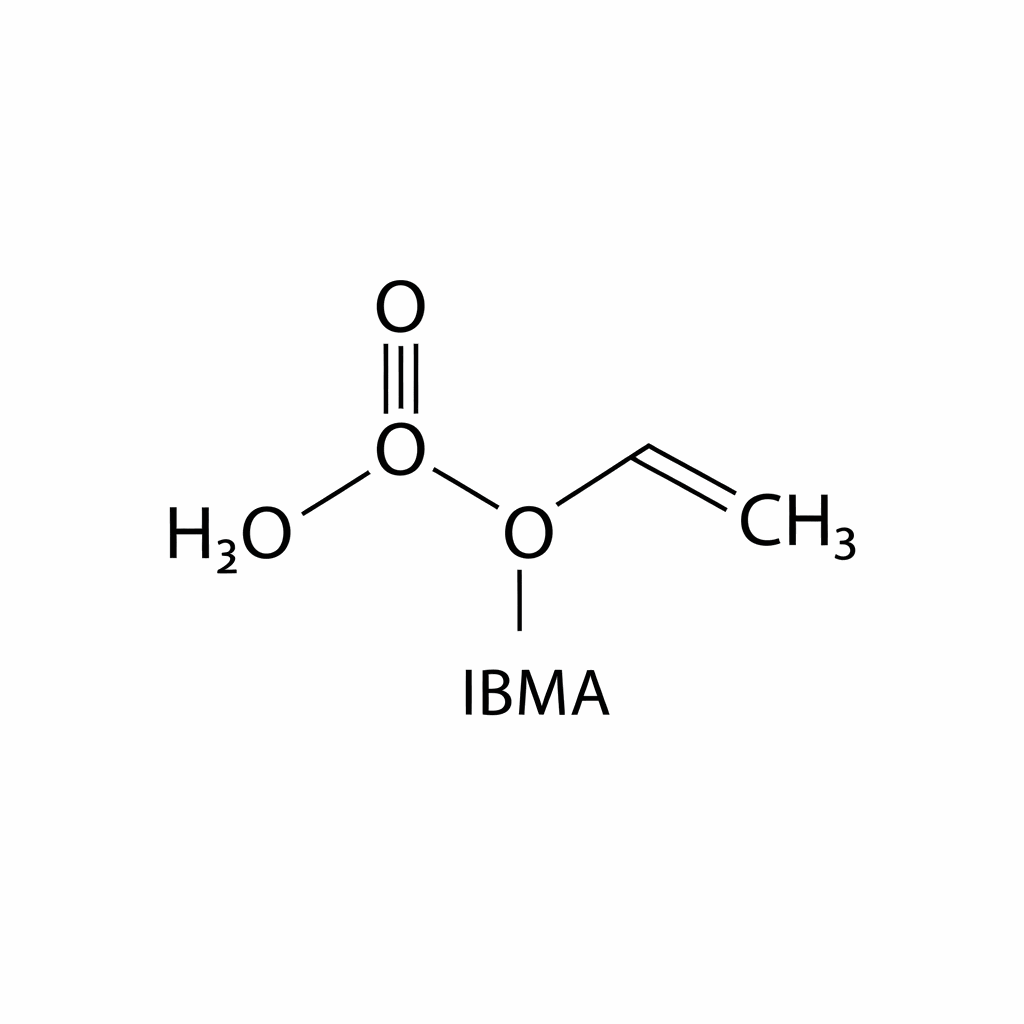
Molecular Formula and Mass: C12H22O2 with a molar mass of approximately 198.30 g/mol, which is essential for precise high-purity laboratory synthesis.
Glass Transition Temperature (Tg): The resulting homopolymer displays a Tg of approximately -10°C, providing the necessary soft segment flexibility and low-temperature performance.
Density and Refractive Index: Specific gravity is recorded as 0.885 g/cm³ at 20°C, and the refractive index typically measures at a value of 1.439.
Flash Point and Boiling Point: The boiling point is 214°C at 760 mmHg, while the flash point is approximately 92°C, requiring specific safety protocols.
Inhibitor Specification: Usually stabilized with Hydroquinone Monomethyl Ether (MEHQ) at 10-100 ppm to prevent premature polymerization during storage and transport.
实际行业应用
应用领域
Pressure Sensitive Adhesives: Used to manufacture high-performance tapes and labels requiring high tack, peel strength, and consistent performance in cold environment conditions.
Automotive Coatings: Key ingredient in high-durability clearcoats providing scratch resistance, chemical stability, and gloss retention for high-end vehicle exterior finishes.
Textile Auxiliaries: Applied in specialty fabric finishes and fiber treatments to enhance water repellency, durability, and soft-hand feel characteristics in apparel.
Oil Additives: Extensively utilized in the production of viscosity index improvers and pour point depressants for high-performance automotive and industrial lubricants.
Printing Inks: Frequently incorporated into UV-curable and solvent-based inks to significantly improve adhesion on various non-polar substrates and specialized plastic films.