The 7361 Modified Acrylate Levelling Agent represents a high-performance, silicone-free surface additive specifically engineered to optimize the surface tension of liquid coatings and ink systems. …
Superior Surface Tension Reduction: Rapidly reduces interfacial tension to eliminate craters, fish-eyes, and pinholes during application.
Silicone-Free Composition: Ensures excellent recoatability and prevents inter-coat adhesion failure or surface contamination in sensitive production lines.
Enhanced Flow and Leveling: Promotes smooth finishes by eliminating orange peel and brush marks in solvent-borne systems.
Broad Compatibility: Exhibits excellent solubility across various resins including epoxies, polyurethanes, alkyds, and unsaturated polyesters.
Clarity Preservation: Maintains optical transparency and gloss retention in clear coats without causing haze or turbidity.
Substrate Wetting: Optimizes wetting on low-energy metallic and plastic substrates. It significantly improves the overall aesthetic appeal of coatings.
规格
技术亮点
Chemical Nature: Fluorocarbon-modified polyacrylate polymer solution. (Note: 7361 is an industry model designation; common base polymers include CAS 26376-86-3).
Active Content: Typically ranges from 50% to 52% non-volatile matter in aromatic hydrocarbon solvents.
Density Profile: Approximately 0.95–1.05 g/cm³ at 20°C, ensuring easy dispersion within standard liquid coating matrices.
Refractive Index: Optimized to match common industrial resins (1.460–1.480) for maximum film clarity and depth.
Dosage Parameters: Effective at low concentrations, generally between 0.1% and 1.0% based on total formulation weight.
Flash Point: Characterized by a flash point above 40°C, requiring standard flammable liquid handling and storage protocols.
Viscosity: Low-viscosity liquid facilitates seamless incorporation during the let-down stage. It remains stable across diverse thermal conditions.
实际行业应用
应用领域
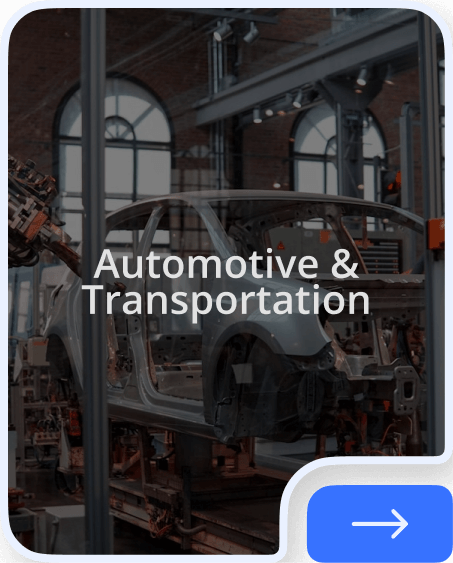
Automotive Finishes: Provides high-gloss, mirror-like finishes in OEM basecoats and clearcoats while ensuring interlayer adhesion stability.
Industrial Coatings: Ideal for machinery, equipment, and structural steel coatings to prevent surface defects in high-thickness films.
Wood Coatings: Enhances leveling and flow in solvent-based lacquers, improving the wetting of grain textures and pores.
Printing Inks: Improves printability and dot gain in gravure and flexographic inks by stabilizing surface tension on plastic films.
Coil Coatings: Ensures uniform film formation in high-speed application lines where rapid wetting is critical.
Electronic Materials: Used in protective coatings for printed circuit boards, ensuring smooth coverage over intricate components.