


Methacrylate Monomer Selection: Comparing EMA, i-BMA, n-BMA and t-BMA for Hardness and Flexibility
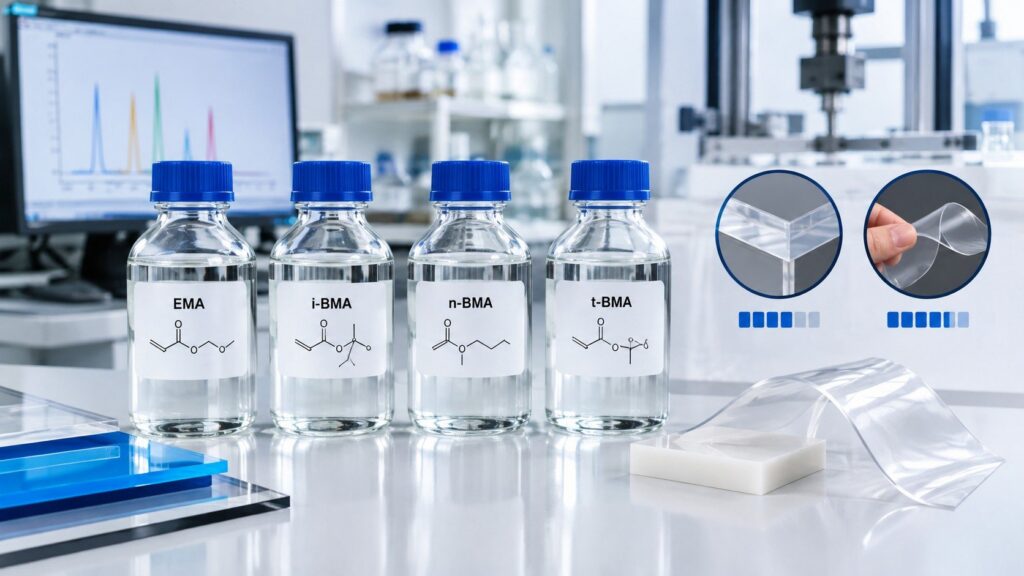
A coating that cracks when bent or stays soft after drying may have a monomer balance problem. Even if the batch sheet looks fine, the choice of monomers can affect the final result. Each methacrylate monomer has a slightly different structure. The ester group affects how the polymer behaves, including its hardness and flexibility. EMA, […]
Polymerization Inhibitor in Acrylate Monomers: MEHQ Levels, Storage and Handling Checks for Buyers
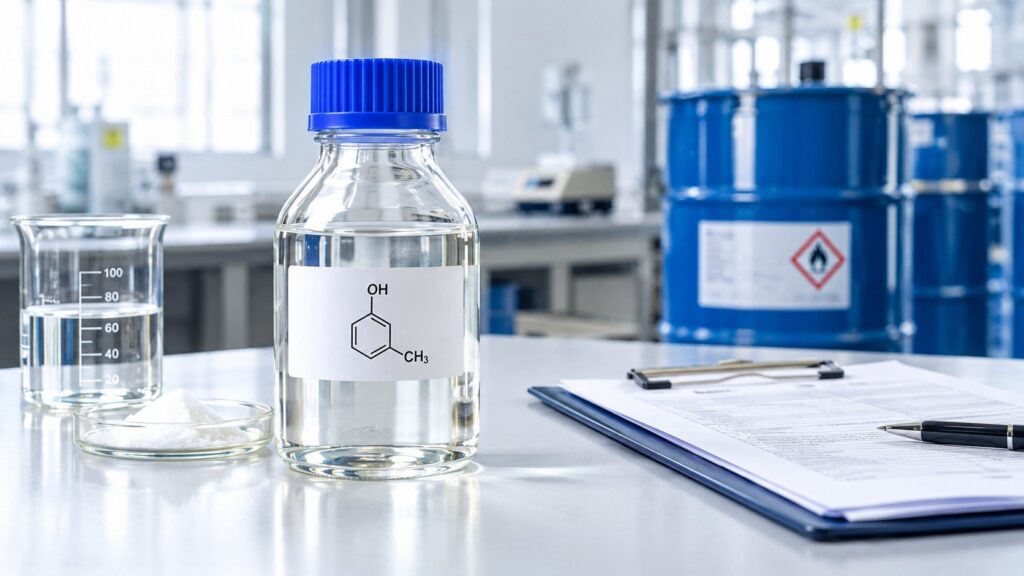
Unexpected thickening or gelling can disrupt production and raise questions about a monomer’s stability. The inhibitor level and storage conditions are two key factors to check when this happens. Acrylates and methacrylates can polymerise if conditions are not properly controlled. Stabilising agents help keep them usable during storage and transport. When shelf life falls short, […]
Anticorrosive Coating Formulation: Improving Metal Adhesion with Amino-Functional Methacrylates
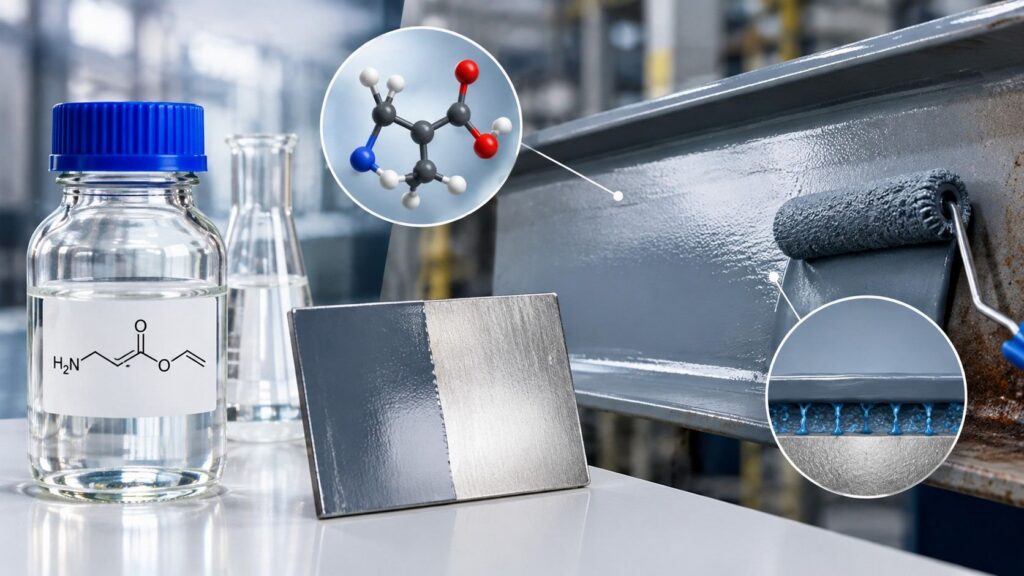
Even a coating that performs well in the lab can fail once exposed to water and salt. If these reach the metal through a scratch or edge, poor adhesion can cause the film to blister and peel away. For an anticorrosive coating, protection depends on both the barrier and its bond with the metal. When […]
UV Curing Solder Mask Ink: Using EOEOEA as a Reactive Diluent for Flow and Adhesion
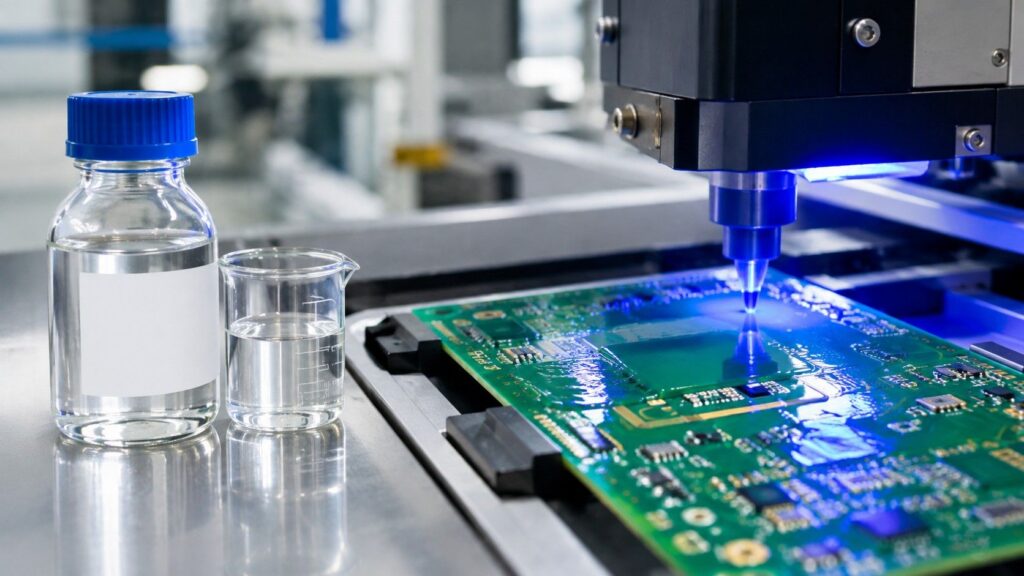
A solder mask ink goes down well when it is thinned. Then the panel comes out of the UV unit with a soft surface, or the film lifts off copper after reflow. The oligomer in the pot was fine. The diluent that made the ink printable is the usual suspect. The oligomer sets heat resistance […]
Anaerobic Adhesive Formulation: Dimethacrylate Crosslinkers Formulators Compare
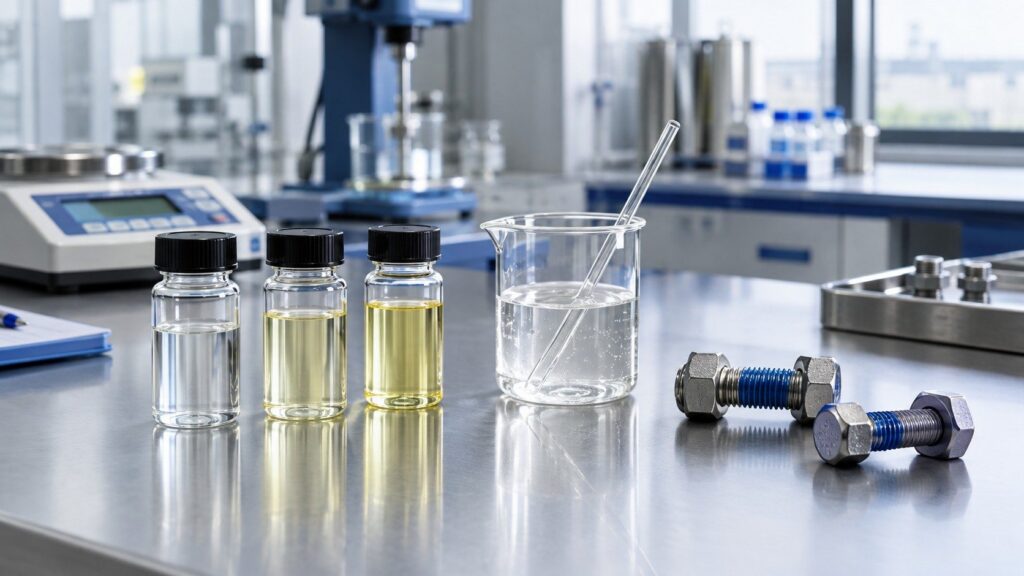
A threadlocker has two jobs that pull in opposite directions. In the bottle it must stay liquid for a year or more. Between two close-fitting metal parts, it must turn into a hard solid in minutes. Nothing in the formula changes between those two states except one condition: the air is gone. The monomer system […]
Textile Chemicals Raw Materials: Which Functional Monomers Go Into Softeners, Binders and Water-Repellent Finishes
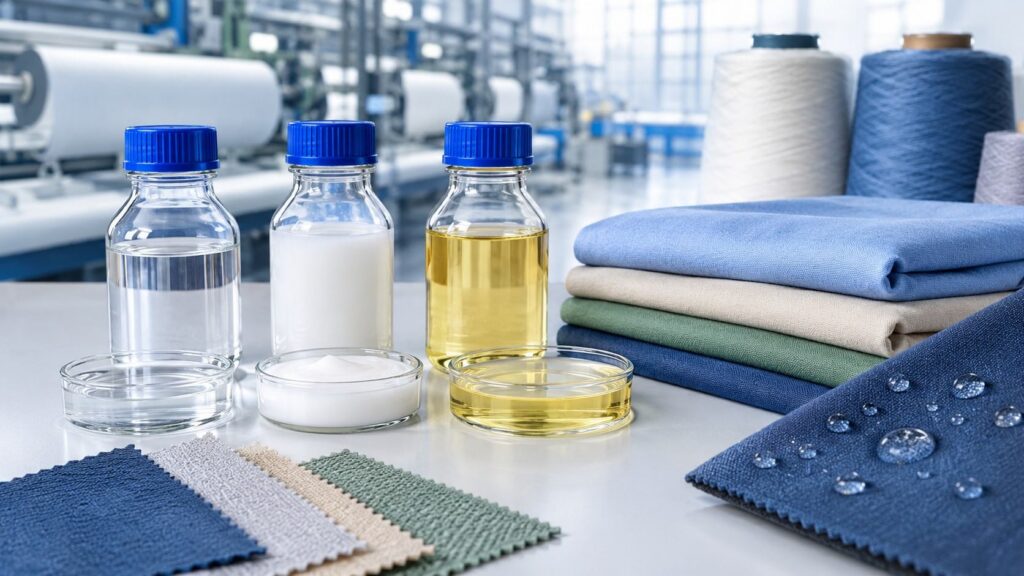
A fabric may have the right-hand feel when it leaves the line, but the finish can change after a few washes. Pigment prints may lose their colour, or water may soak in instead of beading. These issues often start with the polymer chemistry, which depends on the monomers selected when developing the textile chemicals. A […]
Hydrophilic Coating Formulation: Where PEG Dimethacrylate Works as a Crosslinker
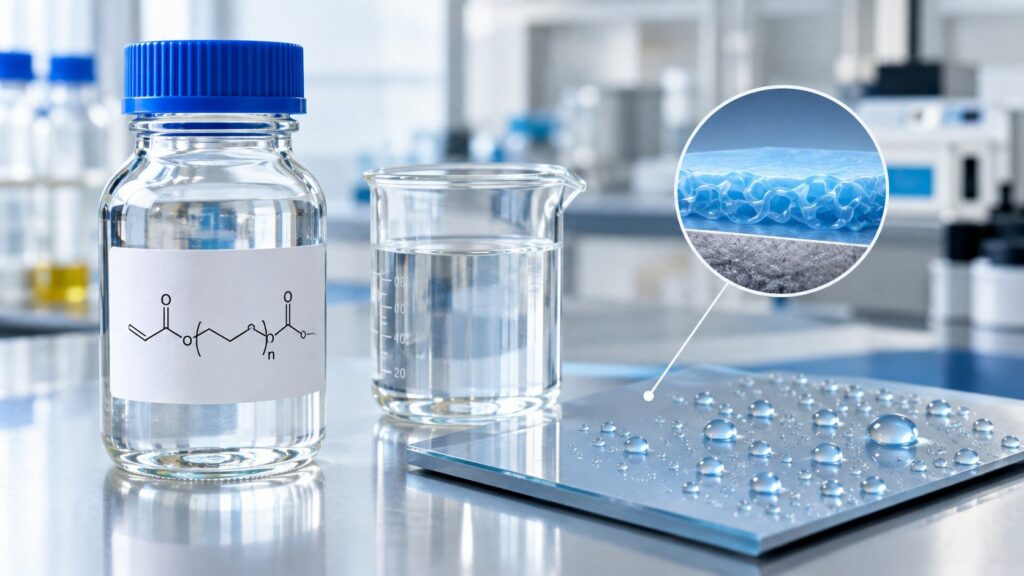
Safety goggles can stay clear after the first use and start fogging again a week later. Sometimes the coating is lost during cleaning. Sometimes it absorbs water, softens, and gets rubbed off. The water-attracting chemistry may still be working, but the coating is no longer there to do its job. A hydrophilic coating therefore needs […]
Viscosity Index Improver Monomers: Sourcing C12-C14 Methacrylates for Lubricant Additive Producers
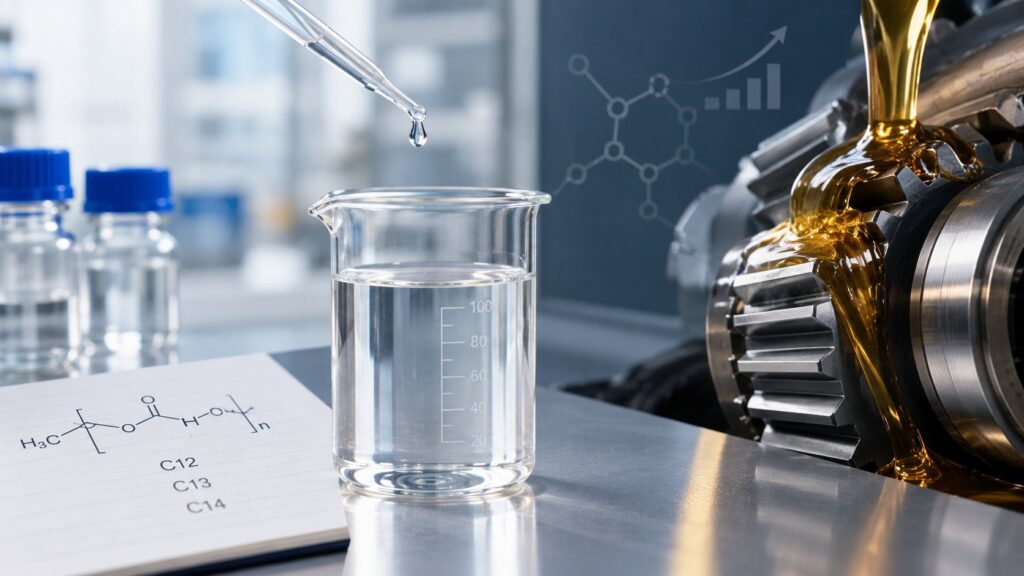
Engine oil is naturally thinner at 100°C than it is at 40°C, which can weaken the oil film protecting engine parts. This comes from the base oil itself, as its viscosity drops with heat. A viscosity index improver (VII) reduces that drop. The result is an oil that still flows when cold without becoming too […]
Pour Point Depressant Raw Materials: How Lauryl Methacrylate Shapes PPD Performance
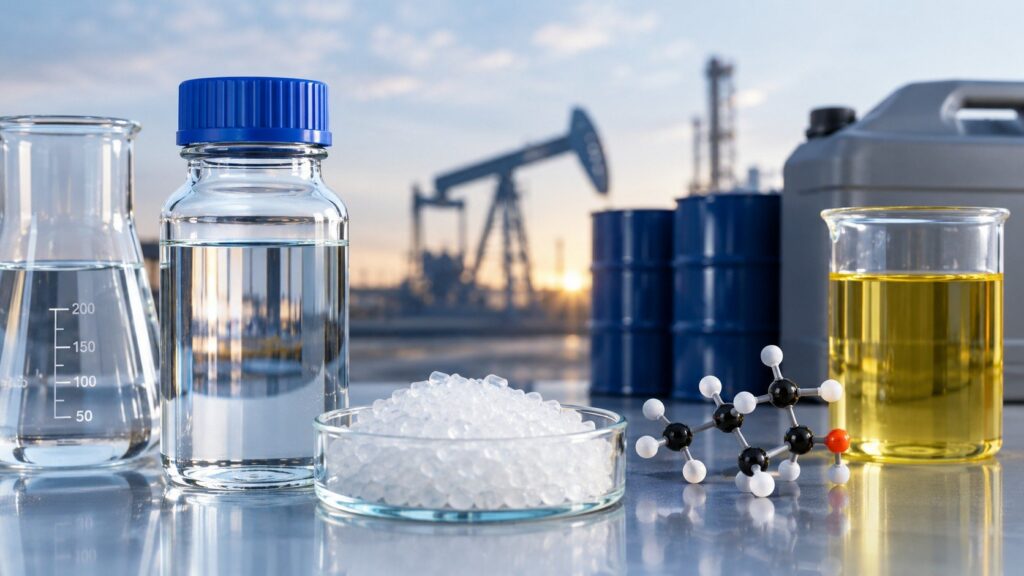
Two lots of Lauryl Methacrylate may have the same name on the label but perform differently in the same polymer recipe. One polymer may keep oil flowing at low temperature, while the other may not. In some cases, the difference comes down to the monomer, such as its chain-length mix, acid content, or moisture level. […]
Acrylic Pressure Sensitive Adhesive Formulation: Choosing Low-Tg Monomers for Tack, Peel and Shear
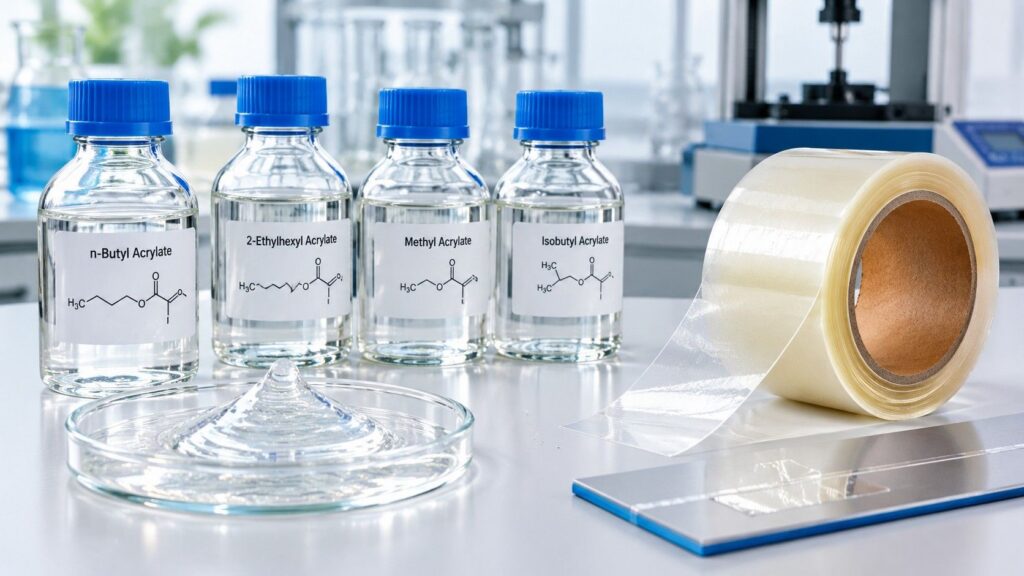
The tape grabs the steel panel as soon as it touches the surface. A light pull removes it, while the sample on the shear rack slips off within an hour. Add crosslinker and the shear hold improves, but a dusty carton can still drop. This is a familiar trade-off when working with an acrylic pressure […]